
Spaying and neutering are among the most important healthcare decisions pet owners can make for their companions. Applebrook Inn Veterinary Center & Pet Resort in West Chester, PA, provides compassionate surgical care designed to protect pets’ long-term health and well-being. Understanding what these procedures involve and why they matter can help owners feel confident in making informed choices.
What Spaying and Neutering Mean
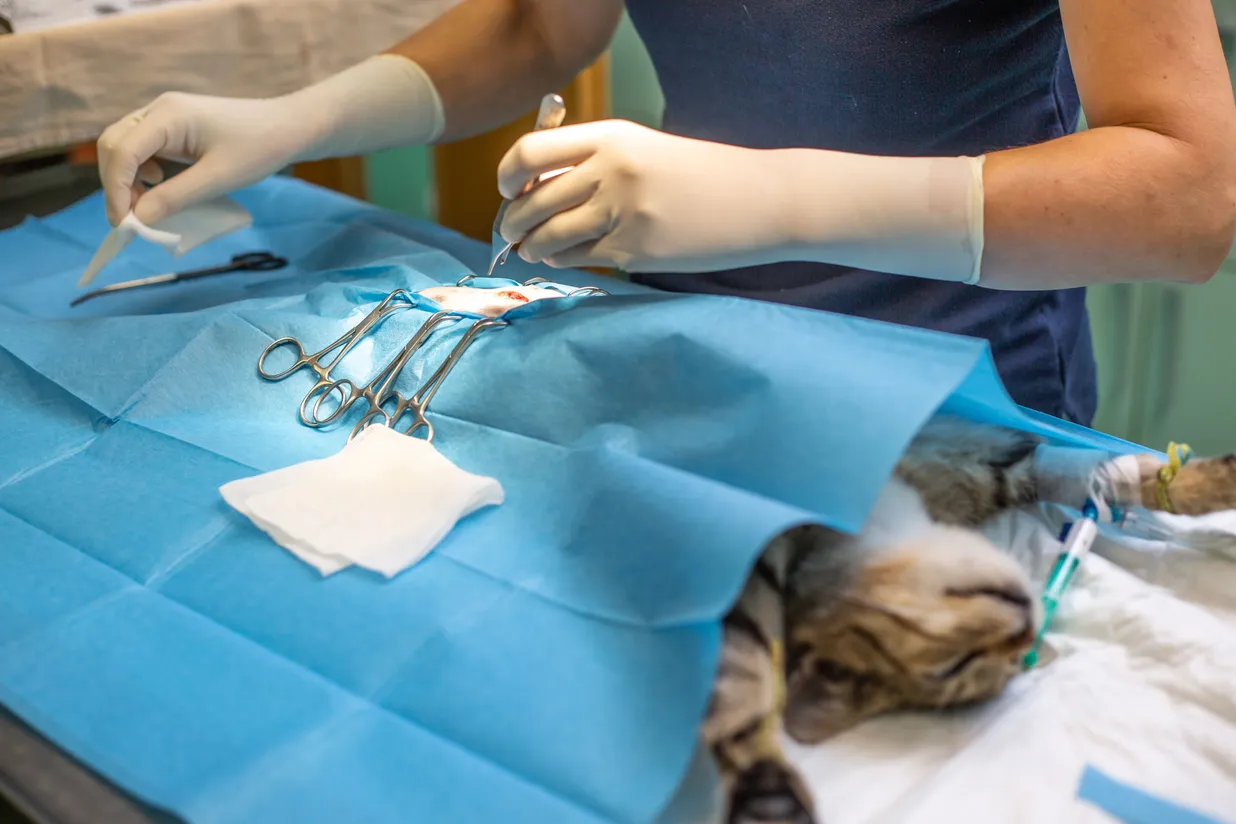
Spaying refers to the surgical removal of a female pet’s reproductive organs, while neutering involves removing the testicles of a male pet. Both procedures are performed under general anesthesia and are considered routine in veterinary medicine. When carried out by an experienced veterinary team, they are safe and highly effective.
These procedures permanently prevent reproduction, but their benefits extend far beyond population control. They also reduce certain health and behavioral risks that can impact a pet’s quality of life.
Health Benefits for Pets
Spaying a female pet significantly lowers the risk of uterine infections and eliminates the possibility of ovarian and uterine cancers. When performed before the first heat cycle, it also greatly reduces the risk of mammary tumors. Neutering male pets decreases the likelihood of testicular cancer and may reduce the risk of prostate problems.
Beyond cancer prevention, spaying and neutering can reduce roaming behaviors, territorial marking, and aggression associated with hormonal drives. Pets that are less likely to wander are also at lower risk of injury from traffic or altercations with other animals.
Timing and Preparation
The appropriate age for spaying or neutering can vary depending on species, breed, and overall health. Many pets undergo the procedure during early adolescence, but individual recommendations should be discussed with a veterinarian. Preoperative evaluations typically include a physical examination and, in some cases, blood testing to ensure the pet is healthy enough for anesthesia.
Owners receive instructions regarding fasting before surgery and what to expect on the day of the procedure. Clear communication helps ensure a smooth and stress-free experience.
Recovery and Aftercare
Most pets recover quickly after spaying or neutering. Mild grogginess is common on the first day, and activity restrictions are usually recommended for a short period to allow proper healing. An incision site will require monitoring for redness, swelling, or discharge.
Pain management protocols are carefully followed to keep pets comfortable during recovery. Follow-up communication ensures that any concerns are addressed promptly and that healing progresses as expected.
Schedule an Appointment Today
Spaying and neutering represent a proactive step toward a healthier future for pets. In addition to supporting individual well-being, these procedures contribute to reducing unwanted litters and improving community animal health.
Applebrook Inn Veterinary Center & Pet Resort in West Chester, PA, at (610) 692-7178, is committed to providing safe, compassionate surgical care for dogs and cats. To discuss spaying or neutering or to schedule an appointment, call today and take an important step in protecting your pet’s long-term health.
