
When a pet undergoes surgery, attentive postoperative care plays a vital role in ensuring a smooth and comfortable recovery. Applebrook Inn Veterinary Center & Pet Resort in West Chester, PA, provides comprehensive guidance and follow-up care to help pets heal safely after both routine and complex procedures. Understanding common treatment options after surgery can help pet owners feel prepared and confident during the recovery process.
Pain Management and Comfort
One of the most important aspects of postoperative care is effective pain control. Even when pets appear stoic, they may still experience discomfort. Veterinarians prescribe appropriate pain medications based on the type of surgery performed, the pet's size, and overall health status. These medications may include anti-inflammatory drugs or other analgesics designed specifically for animals.
Careful dosing instructions are provided to ensure safety at home. Monitoring for signs of discomfort, such as restlessness, decreased appetite, or reluctance to move, allows for timely adjustments if needed. Keeping pets comfortable not only improves their well-being but also promotes faster healing.
Wound Care and Incision Monitoring
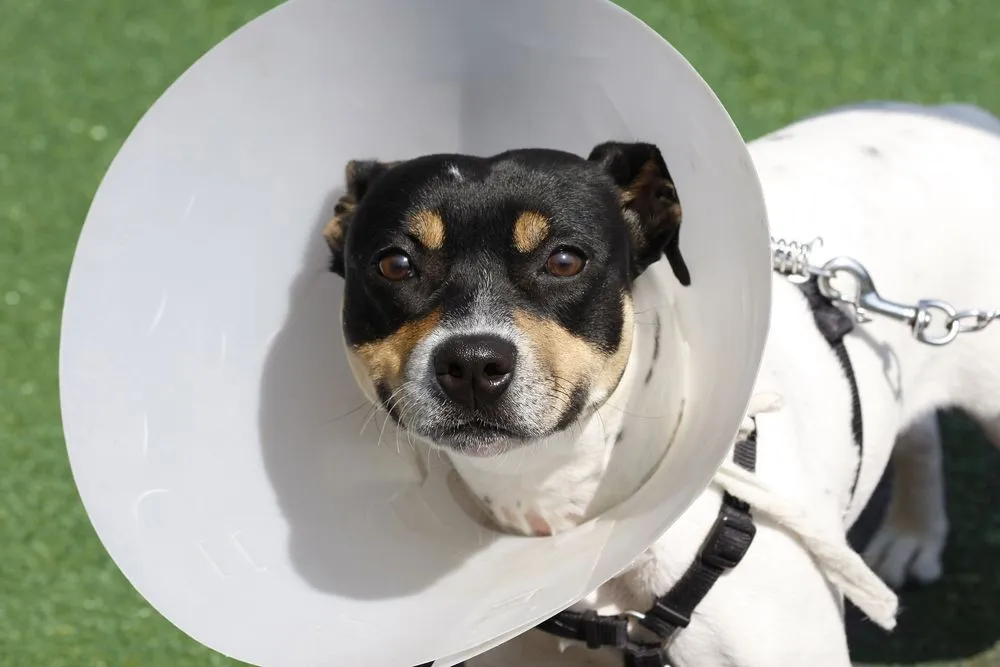
Proper incision care is essential after surgery. Pet owners are typically instructed to check the surgical site daily for redness, swelling, discharge, or unusual odor. Mild bruising can be normal, but significant changes should be reported promptly. In many cases, pets are sent home with protective collars or recovery garments to prevent licking or chewing at the incision.
Maintaining a clean, dry environment supports optimal healing. Bathing is usually restricted until the incision has fully closed. Clear communication with the veterinary team helps ensure any concerns are addressed quickly.
Activity Restriction and Rehabilitation
Limiting physical activity is often necessary to prevent strain on healing tissues. Running, jumping, and rough play may need to be avoided for a specified period. Short, controlled leash walks are sometimes permitted depending on the procedure.
For orthopedic surgeries or more complex interventions, rehabilitation therapies may be recommended. Therapeutic exercises, guided movement, or other supportive modalities can improve strength, flexibility, and overall recovery outcomes. Gradual reintroduction to normal activity levels helps protect the surgical site and prevent complications.
Nutritional and Supportive Care
Nutrition plays a meaningful role in recovery. Some pets may experience temporary changes in appetite after anesthesia. Offering small, easily digestible meals can help ease the transition back to a normal feeding routine. Ensuring access to fresh water and monitoring hydration are equally important.
In certain cases, additional treatments such as antibiotics or specialized medications may be prescribed to prevent infection and support healing. Following the complete course of prescribed medications is essential, even if the pet appears fully recovered.
Supportive and Compassionate Care
Recovery after surgery requires teamwork between pet owners and veterinary professionals. Attentive care, consistent monitoring, and open communication create the best environment for healing.
Applebrook Inn Veterinary Center & Pet Resort in West Chester, PA, at (610) 692-7178, is dedicated to supporting pets and their families every step of the way. If your pet is scheduled for surgery or needs postoperative care, call today to schedule an appointment and ensure a safe, comfortable recovery.
